A survival bag kit is one of those items people often think about after a storm, blackout, flood warning, evacuation notice, or roadside emergency reminds them how quickly normal life can get interrupted. The goal is not to prepare for every possible disaster. The goal is to have basic emergency supplies in one place so you are not scrambling when time matters.
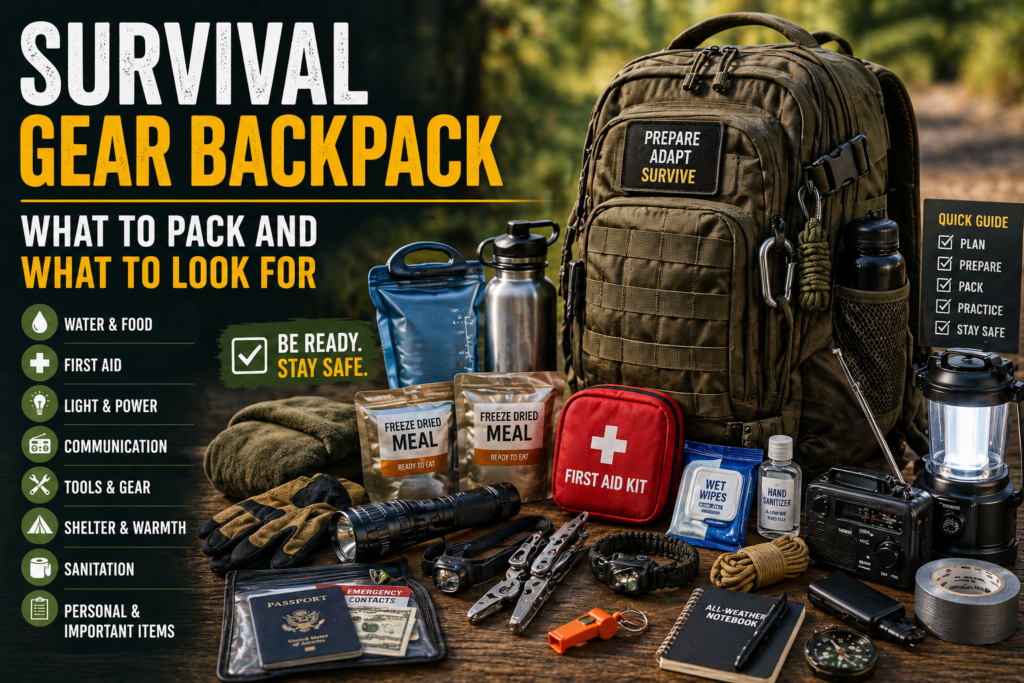
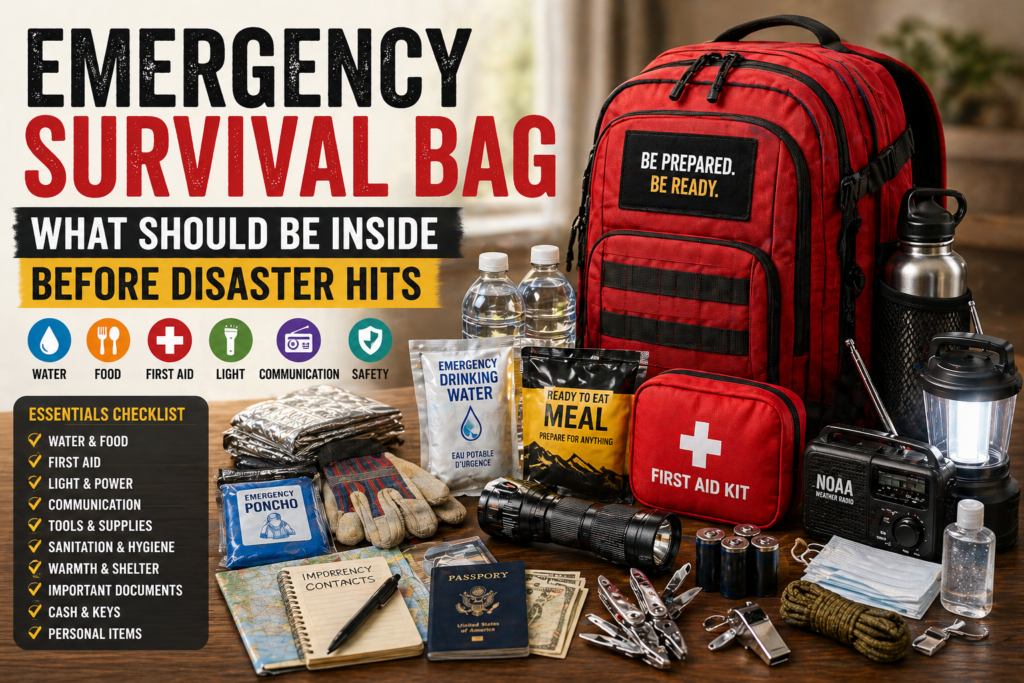
A good survival bag kit should help you manage the first stretch of an emergency. That may include food, water, first aid supplies, a flashlight, a radio, basic tools, warmth, sanitation items, and a backpack or bag strong enough to carry everything. Emergency preparedness guidance from Ready.gov recommends keeping basic supplies such as water, food, first aid, lighting, communication tools, batteries, sanitation items, and personal documents available before a disaster happens.
For many people, the hardest part is not understanding why they need emergency supplies. The hard part is knowing whether to buy a ready-made survival bag kit, build one from scratch, or start with a premade kit and add personal items later. This guide will help you compare your options before you choose one.
Disclosure: This article may contain affiliate links. If you buy through links on this page, Backpack Barn may earn a commission at no extra cost to you. Always review each survival kit’s contents, expiration dates, and suitability for your household before relying on it in an emergency.
What Is a Survival Bag Kit?
A survival bag kit is a backpack, duffel, or emergency bag packed with supplies that may help during a disaster, evacuation, power outage, storm, earthquake, wildfire, flood, or other emergency. You may also see these kits called emergency go bags, bug out bags, disaster preparedness kits, 72-hour survival kits, evacuation bags, or emergency survival bags.
The name may change, but the purpose is usually the same. The bag should hold the items you may need if you have to leave home quickly or manage without normal services for a short period. That could mean no electricity, no running water, limited access to stores, closed roads, or delayed help.
A survival bag kit is different from random emergency supplies stored around the house. The advantage is that everything is gathered in one place. When the bag is ready, you can keep it in a closet, near an exit, in a vehicle, in a garage, or anywhere that makes sense for your household.
Who Should Have a Survival Bag Kit?
A survival bag kit can be useful for homeowners, renters, families, drivers, campers, caregivers, college students, and anyone who wants basic emergency supplies ready before something goes wrong. You do not have to live in a high-risk area to benefit from one. Power outages, storms, car trouble, and evacuation alerts can happen in many places.
People in hurricane areas may want a kit with strong water and food coverage. People in wildfire areas may care more about fast evacuation, masks, documents, and keeping the bag near the door. People in earthquake zones may want a 72-hour emergency survival kit with first aid, lights, food, water, gloves, and rescue signaling items. People who travel by car may want a smaller kit that stays in the trunk.
Families should think differently than single adults. A one-person emergency bag may not be enough for a household with children, older relatives, pets, or anyone who needs medication. In that case, a family emergency kit or multi-person 72-hour survival backpack may be more practical.
What Should Be Inside a Survival Bag Kit?
A strong survival bag kit should cover the basic needs first: water, food, light, first aid, communication, warmth, sanitation, and small tools. Ready.gov emergency kit guidance recommends supplies such as water, food, a battery-powered or hand-crank radio, flashlight, first aid kit, extra batteries, whistle, dust mask, sanitation items, manual can opener, local maps, and phone charging options.
Water is one of the biggest areas to check. Some kits include emergency water packets, while others may include water filtration tools or pouches. The American Red Cross emergency supply recommendations suggest one gallon of water per person per day, with a three-day supply for evacuation and a two-week supply for home preparedness. That does not mean every backpack can realistically carry that much water, but it does show why water planning matters.
Food should be non-perishable and easy to use. Emergency food bars, ready-to-eat meals, or compact calorie packs are common in survival kits. If the kit includes food, check the expiration date, serving count, calorie count, and number of people the food is meant to support.
First aid supplies are also important. A kit may include bandages, gauze, antiseptic wipes, gloves, tape, scissors, and basic care items. However, a premade kit usually does not include your personal medications, prescription details, glasses, hearing aid batteries, or medical documents. Those are items you would need to add yourself.
Lighting and communication matter during power outages. Flashlights, extra batteries, emergency radios, whistles, and phone charging options can help when power is down or when you need to receive alerts. A weather radio can also be helpful when storms, hurricanes, tornadoes, winter weather, or local emergency alerts are a concern.
Warmth and shelter items can include emergency blankets, ponchos, gloves, tarps, and basic protective gear. These are especially important if you may need to wait outside, sleep in a vehicle, walk in bad weather, or evacuate during colder months.
72-Hour Survival Bag Kit vs Basic Emergency Bag
A 72-hour survival bag kit is designed around the idea of having enough essential supplies to help you get through about three days. This is a common emergency preparedness window because the first few days after a disaster can be difficult. Roads may be blocked, power may be out, stores may be closed, and local services may be stretched.
A basic emergency bag may only include a flashlight, small first aid kit, poncho, whistle, and a few quick supplies. That may be useful for a car, office, or short-term backup. But a 72-hour survival kit usually goes further by including food, water, first aid, tools, warmth, and other emergency items.
The right choice depends on your situation. If you want something for the car, a smaller emergency bag may be enough. If you want something for home evacuation, a 72-hour survival backpack is usually a better direction. If you are preparing for a family, look closely at how many people the kit supports.

Premade Survival Bag Kit vs Building Your Own
There are two main ways to prepare: buy a premade survival bag kit or build one yourself.
A premade survival bag kit saves time. It can be helpful if you want the core supplies already gathered in one backpack. This is useful for people who know they should prepare but do not want to research every flashlight, food bar, poncho, bandage, and emergency tool separately.
Building your own kit gives you more control. You can choose every item, buy higher-end supplies, customize the bag for your region, and pack exactly what your household needs. The downside is that it takes more time, and many people never finish it.
For most buyers, the best approach may be a mix of both. Start with a ready-made kit, then add personal items such as medication, copies of documents, cash, pet supplies, extra glasses, phone chargers, clothing, and local emergency contact information. A premade kit gives you a starting point, while your personal additions make it more useful for your real household.
Survival Bag Kit Options to Compare
Use this comparison as a starting point. Always open the product page and review the current contents, size, person count, expiration dates, and details before buying.
| Survival Bag Kit | Best For | Kit Type | Good Fit For |
|---|---|---|---|
| Evacuation Bag Kit | Grab-and-go emergency prep | All-in-one go bag | Home, car, evacuation |
| Essentials Complete Deluxe Survival Kit | Multiple people | 2–4 person kit | Families, couples |
| Stealth Angel 72 Hour Family Emergency Kit | 72-hour family prep | Family survival kit | Hurricanes, earthquakes |
| Earthquake Kit 72 Hour Emergency Survival Kit | Disaster-specific prep | 72-hour earthquake kit | Earthquakes, tsunamis |
| Family Emergency Kit | Household preparedness | Family kit | Families, flood prep |
| Denver Premium 72 Hour Survival Backpack | Portable bug out setup | 2-person backpack kit | Evacuation, travel |
| EVERLIT Complete 72 Hours Earthquake Bug Out Bag | Disaster preparedness | 72-hour bug out bag | Hurricanes, floods, earthquakes |
Evacuation Bag Kit
The Evacuation Bag Kit is a good page to visit if you want an all-in-one emergency go bag. This type of kit is built for people who want food, water, first aid, tools, survival gear, and a rugged backpack already grouped together.
This may be a practical choice for someone who wants a ready-to-grab kit near the door, in the car, or in a home emergency area. It can also work for shoppers who do not want to build a survival bag item by item.
Essentials Complete Deluxe Survival Kit
The Essentials Complete Deluxe Survival Kit is worth comparing if you are shopping for more than one person. Since it is positioned around a 2–4 person emergency setup, it may fit households that want broader coverage than a single-person go bag.
This type of kit can make sense for families preparing for wildfires, hurricanes, storms, and other natural disasters. When comparing it, pay close attention to how many people it supports, how long the supplies are intended to last, and what items you may still need to add.
Stealth Angel 72 Hour Family Emergency Kit
The Stealth Angel 72 Hour Family Emergency Kit fits people looking for a 72-hour family emergency kit. This type of survival bag is built around the idea of covering the first few days after an emergency.
It may be useful for families preparing for earthquakes, hurricanes, and other disruptions where stores, roads, or utilities may not be available right away. Since it is a family-style kit, compare the number of people covered and the balance between food, water, first aid, and tools.
Earthquake Kit 72 Hour Emergency Survival Kit
The Earthquake Kit 72 Hour Emergency Survival Kit is a disaster-specific option for people who are especially concerned about earthquakes, hurricanes, tsunamis, or sudden evacuation situations.
Earthquake kits are usually chosen by people who want emergency food, water, first aid, lighting, and basic supplies stored together before a sudden event happens. If you live in an earthquake-prone area, also think about adding gloves, sturdy shoes, copies of documents, cash, medication, and local maps.
Family Emergency Kit
The Family Emergency Kit is a better fit if you are preparing for a household rather than one person. Family kits are useful when you need to think about multiple people, not just your own personal supplies.
This type of kit may help with earthquake, flood, disaster relief, civil unrest, and outdoor survival planning. When comparing it, look at whether it includes enough food, water, first aid supplies, warmth items, and emergency tools for the number of people in your home.
Denver Premium 72 Hour Survival Backpack
The Denver Premium 72 Hour Survival Backpack may be useful if you want a 72-hour survival backpack with supplies already packed in a bug out bag style.
This option fits buyers who prefer a backpack format instead of a box or loose storage bin. Backpack-style kits are helpful when you want something portable enough to carry during an evacuation, camping emergency, or road trip backup situation.
EVERLIT Complete 72 Hours Earthquake Bug Out Bag
The EVERLIT Complete 72 Hours Earthquake Bug Out Bag is another option for shoppers comparing ready-made emergency survival kits. It fits searches around earthquakes, hurricanes, floods, tsunamis, and general disaster preparedness.
This kind of kit may appeal to people who want a recognizable ready-made bug out bag rather than building a kit from separate supplies. As with any survival bag kit, check how many people it supports and what personal items you should add before relying on it.
How to Choose the Right Survival Bag Kit
The best survival bag kit depends on how you expect to use it. A kit for one person is very different from a kit for a family of four. A car emergency bag is different from a home evacuation backpack. A hurricane kit may need more water planning, while an earthquake kit may need more attention to first aid, gloves, sturdy footwear, and lighting.
Start with the number of people. If you are shopping for yourself, a one-person kit may be enough. If you are preparing for a couple or family, look at 2-person, 4-person, or family emergency kits. Do not assume a kit is large enough just because the backpack looks full.
Next, think about the emergency window. A 24-hour bag may help with short-term situations, but a 72-hour survival kit is better if you want to be ready for a few days of disruption. For home preparedness, you may also want extra water and food stored separately because a backpack can only carry so much.
Then look at the type of emergency most likely in your area. Hurricanes, wildfires, floods, earthquakes, winter storms, and power outages can require different supplies. A premade kit gives you a starting point, but your location should guide what you add.
Finally, check the backpack itself. A survival bag kit should be strong enough to carry the supplies inside. Look for comfort, storage pockets, water resistance, zipper quality, shoulder straps, and whether the bag is realistic for the person who may need to carry it.
Where Should You Keep a Survival Bag Kit?
A survival bag kit should be easy to reach. If it is buried under storage boxes or tucked away where no one can find it, it may not help when you need it.
Many people keep one kit near the front door, in a hall closet, garage, vehicle trunk, RV, cabin, or storm-ready storage area. If you live in a multi-level home, it may help to keep supplies where they are easiest to grab during an evacuation.
Families should make sure everyone knows where the kit is stored. It is also wise to check the bag a few times a year. Food, water, batteries, medications, and documents may need to be updated.
Common Mistakes to Avoid
One common mistake is buying a survival bag kit and never opening it. You should know what is inside, what is missing, and what expires. A kit may look complete online, but every household has different needs.
Another mistake is ignoring water. Food bars and tools are useful, but water planning is essential. Emergency agencies regularly emphasize water as a core part of preparedness, including water for drinking and sanitation.
Some people also forget medication, glasses, pet supplies, cash, copies of documents, and phone charging. These personal items can matter just as much as the gear inside the bag.
Do not assume every kit is designed for your exact emergency. A camping survival kit, car emergency kit, earthquake bag, and family evacuation kit may overlap, but they are not always the same. Read the product details carefully and add what your situation requires.
Final Thoughts
A survival bag kit is not about fear. It is about being practical. When an emergency happens, the worst time to start gathering supplies is after stores are crowded, power is out, or roads are already affected.
If you want the fastest path, compare ready-made options such as an evacuation bag kit, family emergency kit, 72-hour survival backpack, earthquake survival kit, or bug out bag kit. If you want more control, build your own from scratch. For many people, the smartest move is to start with a premade survival bag kit and customize it with personal supplies.
Before choosing one, think about how many people you need to prepare for, how long the kit should support you, and what type of emergency is most likely where you live. Then choose the survival bag kit that best fits your home, vehicle, family, or evacuation plan.
Frequently Asked Questions
What is a survival bag kit?
A survival bag kit is an emergency bag packed with supplies that may help during a power outage, storm, evacuation, earthquake, flood, wildfire, or other urgent situation. It usually includes items such as food, water, first aid supplies, lighting, emergency tools, warmth items, and basic safety gear.
What should be in a survival bag kit?
A survival bag kit should include water, non-perishable food, a first aid kit, flashlight, batteries, emergency radio, whistle, sanitation items, phone charging option, emergency blanket, poncho, gloves, and basic tools. You should also add personal items such as medication, cash, copies of documents, glasses, pet supplies, and emergency contacts.
Is a 72-hour survival kit enough?
A 72-hour survival kit can be a helpful starting point because it is designed to support short-term emergency needs for about three days. However, it may not be enough for every situation. Some households may need extra water, food, medication, pet supplies, clothing, or backup power stored separately.
Is it better to buy a premade survival kit or build your own?
A premade survival kit is better if you want the basics gathered quickly in one bag. Building your own is better if you want full control over every item. Many people use both approaches by buying a premade survival bag kit first, then adding personal supplies based on their household, location, and emergency risks.
Where should I keep a survival bag kit?
Keep a survival bag kit somewhere easy to reach, such as a hall closet, near the front door, in a garage, in your vehicle, or in another emergency-ready location. The best place is somewhere you can access quickly if you need to leave home or respond to an emergency.